“A confident young professional climbing a modern career growth staircase made of glowing digital steps labeled Skills, Experience, Leadership, Networking, Promotion, and Success. Futuristic office background with business analytics dashboards, AI career assistant holograms, laptop, resume, professional attire, blue and gold corporate theme, ultra-realistic, high-quality 4K, motivational business blog featured image.”
Professional climbing digital career growth steps representing career development and success.
Career Development: A Complete Guide to Professional Growth
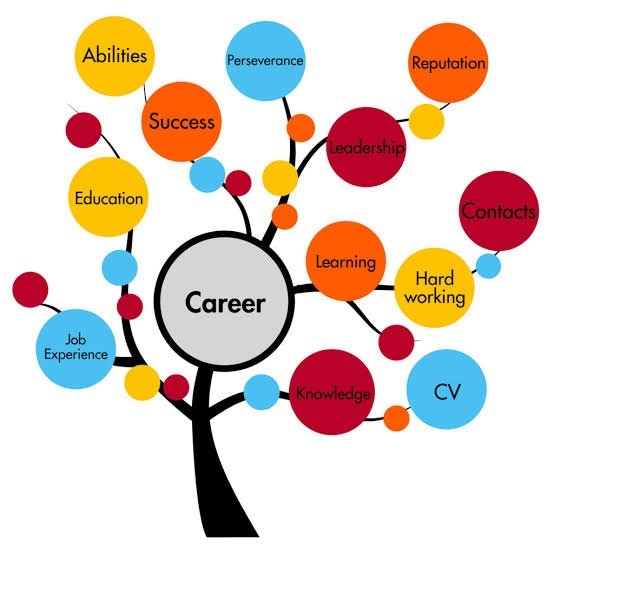
Career development is a lifelong journey of learning, improving skills, and achieving professional goals. Whether you’re a student preparing for your first job, a recent graduate entering the workforce, or an experienced professional seeking career advancement, continuous development is essential in today’s competitive job market.
Technology, automation, artificial intelligence, and changing workplace expectations have transformed the way careers evolve. Employers now value adaptability, communication, leadership, and continuous learning just as much as technical expertise.
This comprehensive guide explains career development, why it matters, essential skills to build, practical strategies for career growth, and how to create a long-term career plan.
What Is Career Development?
That is the continuous process of improving your knowledge, skills, experience, and professional abilities to achieve your career goals.
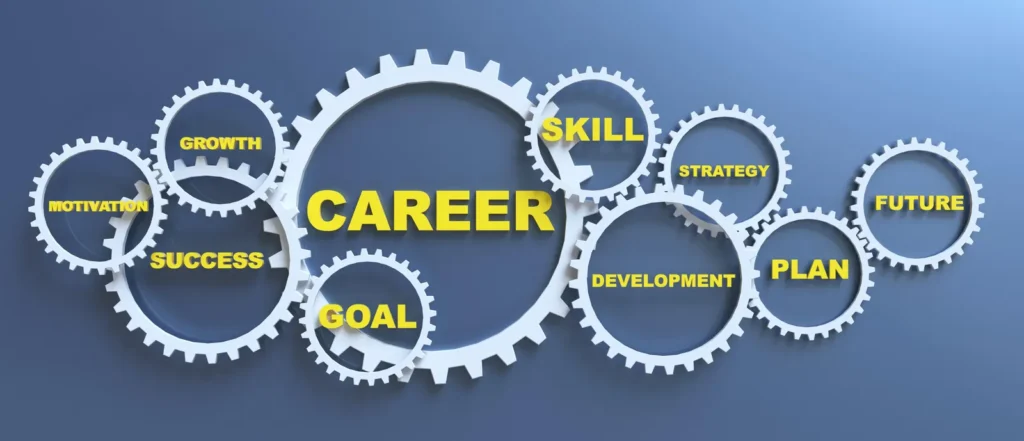
On an individual basis, career planning encompasses a process in which the individual is self-aware of their personal needs and desires for fulfilment in their personal life, in conjunction with the career they hold. While every person’s experiences are unique, this contributes to the different careers that people will acquire over their lifespan
Why Career Development Is Important
Investing in career development offers long-term benefits.
Benefits Include
- Better job opportunities
- Higher earning potential
- Increased confidence
- Professional growth
- Greater job satisfaction
- Improved leadership skills
- Stronger job security
- Career flexibility
Continuous improvement helps professionals stay competitive in a rapidly changing workplace.
Stages of Career Development
Self-Assessment
Understand your:
- Interests
- Strengths
- Weaknesses
- Values
- Career aspirations
Knowing yourself helps you make informed career decisions.
Career Exploration
Research industries, job roles, salary expectations, and required skills.
Explore career options through:
- Online research
- Career fairs
- Networking events
- Informational interviews
Skill Development
Develop both technical and soft skills.
Examples include:
- Communication
- Problem-solving
- Leadership
- Data analysis
- Project management
- Digital literacy
Career Advancement
As you gain experience, focus on:
- Promotions
- Leadership roles
- Certifications
- Specialized expertise
Lifelong Learning
Successful professionals continue learning throughout their careers.
This may include:
- Online courses
- Workshops
- Industry certifications
- Professional conferences
- Reading books and articles
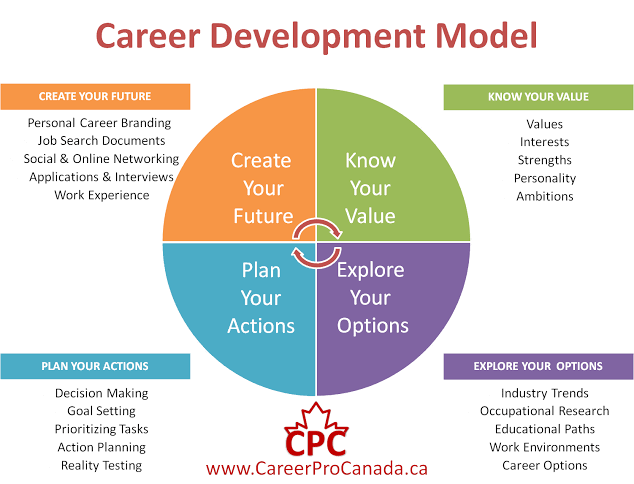
Essential Skills for Career Development
Communication Skills
Strong communication improves teamwork, leadership, and customer relationships.
Practice:
- Active listening
- Public speaking
- Professional writing
- Presentation skills
Leadership Skills
Leadership isn’t limited to managers.
Develop:
- Decision-making
- Responsibility
- Team motivation
- Conflict resolution
Problem-Solving
Employers value professionals who can identify challenges and develop practical solutions.
Adaptability
Technology and workplace expectations evolve quickly.
Being open to learning and change makes you more resilient.
Time Management
Prioritize tasks, meet deadlines, and stay organized to improve productivity.
Emotional Intelligence
Understanding and managing emotions helps build stronger workplace relationships and improves collaboration.
Create a Plan
Define Your Career Goals
Examples:
- Get promoted
- Change industries
- Learn a new skill
- Start a business
- Become a manager
Set goals that are realistic and measurable.
Identify Skill Gaps
Compare your current skills with those required for your desired role.
Create a learning plan to close those gaps.
Build Your Professional Network
Networking can open doors to new opportunities.
Connect with:
- Colleagues
- Mentors
- Industry professionals
- Alumni
- Professional organizations
Maintain genuine relationships over time.
Gain Practical Experience
Look for opportunities to:
- Volunteer for new projects
- Take on additional responsibilities
- Participate in cross-functional teams
- Mentor others
Practical experience strengthens your resume and confidence.
Review Progress Regularly
Evaluate your goals every few months.
Celebrate achievements and adjust your plan as your interests or circumstances evolve.
Tips for Career Growth
Continue Learning
Stay updated with industry trends and emerging technologies.
Seek Feedback
Constructive feedback from managers and colleagues can help identify areas for improvement.
Build a Strong Personal Brand
Maintain a professional online presence, share your expertise, and highlight your achievements.
Improve Your Resume
Keep your resume updated with:
- New skills
- Certifications
- Projects
- Accomplishments
Tailor it for each job application.
Prepare for Interviews
Practice answering common interview questions and be ready to discuss your experience and achievements with confidence.
Common Mistakes
Avoid these mistakes
- Not setting career goals
- Ignoring skill development
- Avoiding networking
- Resisting change
- Neglecting work-life balance
- Waiting too long to ask for feedback
- Staying in your comfort zone indefinitely
Recognizing these habits early can help you continue progressing.
The Age of AI
Artificial intelligence is reshaping many industries.
To stay competitive:
- Learn digital skills
- Understand AI tools relevant to your field
- Strengthen creativity and critical thinking
- Develop leadership and communication skills
- Stay adaptable
Combining technical knowledge with human skills can improve long-term career resilience.
Daily Habits for Professional Success
- Read industry news
- Learn one new skill each week
- Network with professionals
- Keep a career journal
- Review your goals
- Ask thoughtful questions
- Maintain a positive attitude
- Take care of your physical and mental health
- Small, consistent habits often lead to significant long-term growth.
What is career development?
Career-development is the ongoing process of improving your skills, knowledge, and experience to achieve professional goals and adapt to changing career opportunities.
Important
It helps increase employability, improve job performance, prepare for promotions, and support long-term professional growth.
How can I grow my career faster?
Set clear goals, develop relevant skills, seek feedback, build professional relationships, gain practical experience, and continue learning throughout your career.
Skills are most important for career success
Communication, leadership, adaptability, problem-solving, emotional intelligence, digital literacy, and time management are valuable across many professions.
How often should I update my career plan?
Review your career plan at least once or twice a year, or whenever your goals, industry, or personal circumstances change.
Conclusion
Career development is not a one-time achievement—it’s an ongoing journey of learning, adapting, and growing. By setting clear goals, building in-demand skills, expanding your professional network, and embracing continuous learning, you can create a rewarding and resilient career.
Remember, success is built through consistent effort. Every course you complete, every skill you develop, and every meaningful connection you make brings you one step closer to your long-term professional goals.
SEO Keywords:
Career-Development, Professional Growth, Career Success, Skill Development, Career Planning, Leadership Skills, Career Opportunities
Visit Us:
https://shiwang.blackpur.com
Leave a Reply